Mom Dad Embroidery Design Review
As a designer who spends more time than I care to admit staring at stitch density charts and testing thread tension, I approach every new machine embroidery design with a mix of excitement and skepticism. The market is saturated, but few designs truly capture the emotional weight of family while remaining technically viable for mass production or high-end custom work. Today, I am evaluating the Mom Dad design file to see if it holds up under the scrutiny of real-world application.
This isn’t just about pretty letters; it’s about whether this embroidery file can survive the rigors of a busy sewing room, look professional on a finished product, and resonate with customers browsing Etsy or local craft fairs. After analyzing its structure and potential use cases, here is my honest breakdown of how this design performs in practice.
First Impressions and Visual Personality
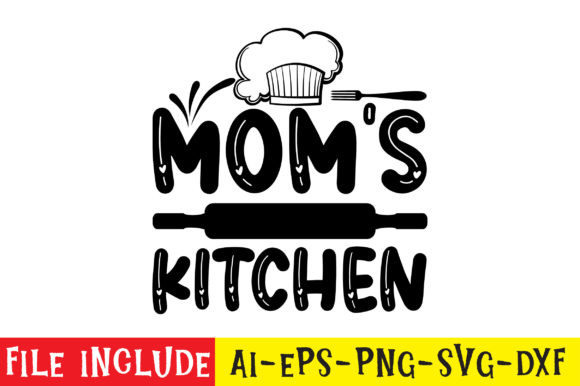
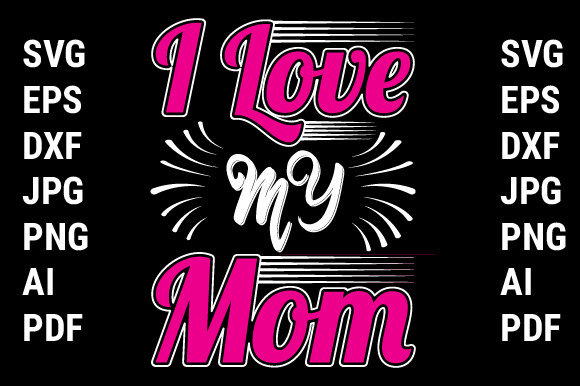
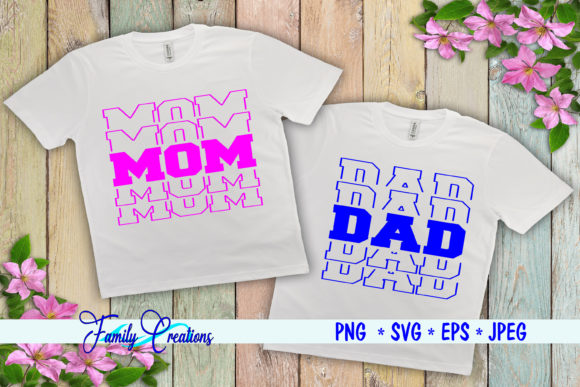
When you first load the Mom Dad design into your software, the immediate takeaway is its clean, approachable aesthetic. It avoids the cluttered, overly ornate styles that often date quickly. Instead, it relies on strong typography and balanced spacing to convey warmth. This makes it incredibly versatile for various Crafts categories, particularly those focused on family milestones.
The visual personality of this design feels modern yet timeless. It doesn’t scream for attention with excessive rhinestones or complex applique layers (unless added by the user), allowing the text itself to be the star. For designers, this simplicity is a double-edged sword: it is easy to digitize correctly, but it demands perfect execution because there are no distracting elements to hide minor stitching imperfections. The mood it creates is one of cozy domesticity, making it an ideal candidate for nursery decor, parental gifts, and boutique home goods.
Real-World Application Scenarios
To truly judge an embroidery project, we have to move beyond the screen and imagine the finished product. Here is where I see Mom Dad shining in actual client projects and small business inventories.
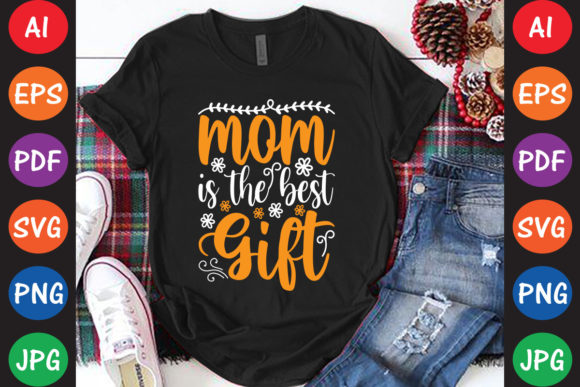
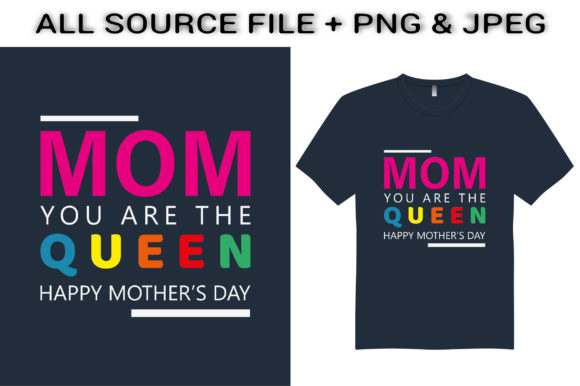
- Custom Apparel: This design translates beautifully to soft cotton tees and hoodies. Placed over the heart or centered on the chest, it offers a subtle nod to parenthood without being overwhelming. It works exceptionally well for maternity gifts or new parent announcements.
- Tote Bag Designs: A canvas tote embroidered with this motif is a staple item. The sturdy fabric provides a stable base for the stitches, ensuring that the satin stitch edges remain crisp. It adds a personal touch to grocery runs or beach days, appealing to buyers looking for functional yet sentimental accessories.
- Baby Embroidery: Perhaps the strongest use case is for baby clothes. Whether on a onesie, burp cloth, or receiving blanket, the gentle theme fits perfectly. The design’s scale allows it to fit comfortably within standard hoop sizes without feeling cramped, which is crucial for delicate infant fabrics.
- Kitchen and Home Decor: Tea towels and aprons are another natural fit. The contrast between the thread and the fabric texture can elevate a simple kitchen towel into a premium gift item. It also pairs well with pillow covers for a coordinated nursery set.
For Etsy sellers and craft business owners, these applications represent high-demand niches. The design’s broad appeal means it can be marketed across multiple seasons, from Mother’s Day and Father’s Day to Christmas and baby showers.
Technical Performance and Stitch Quality
In terms of technical execution, the design appears to utilize a mix of fill stitch and running stitch techniques effectively. The balance ensures that the embroidery lies flat against the fabric, reducing bulk—a critical factor when working with thin materials like jersey knit or lightweight linen.
The stitch density seems optimized for standard home machines as well as commercial units. However, designers should always verify the specific density settings in their software. If the density is too high, the fabric may pucker; if too low, the background fabric might show through. Testing on scrap fabric is non-negotiable to confirm that the thread colors hold their integrity after washing.
Where to Exercise Caution
No design is perfect for every situation. While Mom Dad is versatile, there are specific contexts where it requires careful handling or alternative approaches.
- Small Hoop Sizes: If you are working with very small hoops (under 4x4 inches), the lettering may become difficult to read. Ensure the final scaled size maintains legibility, especially for the finer details.
- Textured and Stretchy Fabrics: Avoid using this design on highly textured fabrics like heavy tweeds or loose-weave knits unless you use a strong tear-away or cut-away stabilizer. On stretchy fabrics, such as spandex blends, improper stabilization can lead to distortion during stitching.
- Dark Fabric Backgrounds: The design is provided in formats suitable for white backgrounds, but when applied to dark fabrics, you must ensure sufficient thread contrast. Light threads on dark fabric may require a backing layer to prevent transparency issues.
- Curved Surfaces: Applying this to caps or curved garment seams requires advanced hooping techniques. The flat layout of the design may not naturally conform to curves without additional manipulation, potentially leading to uneven tension.
Impact on Product Value and Brand Consistency
Using a well-executed design like this directly impacts customer trust and perceived value. A sloppy embroidery job can ruin even the best concept, but a clean, precise finish signals professionalism. When a buyer receives a handmade product with sharp satin stitch edges and no visible backing peeking out, they associate that quality with the brand’s overall reliability.
Furthermore, the design supports brand consistency. Its neutral yet affectionate theme allows it to fit into a cohesive product line alongside other family-oriented items. For commercial embroidery businesses, this versatility reduces the need for constant new design purchases, as the asset can be rotated through various seasonal collections.
Practical Designer Notes for Implementation
Before committing to a large batch production, follow these practical steps to ensure success:
- Test on Scrap Fabric: Always run a test stitch on the exact fabric you plan to use. This reveals how the material reacts to the needle and thread.
- Check Stabilizer Compatibility: Match your stabilizer to the fabric weight. Lightweight fabrics need light stabilizers; heavy fabrics need robust support.
- Review in Black and White: Convert the design to grayscale to check contrast levels. This helps identify any areas where the stitch direction might cause shadowing or uneven appearance.
- Confirm Licensing: As a digital product seller, verifying the license terms is essential. Determine if the file allows for commercial use of finished goods or if restrictions apply to digital resale.
- Inspect Small Details: Zoom in on the vector files (SVG) to ensure no tiny elements are so fine they will get lost in the stitching process.
Final Verdict
The Mom Dad design is a solid, reliable addition to any digital embroidery file library. It strikes a good balance between emotional resonance and technical feasibility. For small shop products, personalized gifts, and custom apparel, it offers a professional finish that customers appreciate.
While it may not be suitable for every extreme condition—such as highly textured surfaces or minute hoop sizes—it excels in standard applications where clarity and sentiment matter most. By following proper testing protocols and stabilization techniques, designers can confidently use this asset to create high-quality handmade products that stand out in a crowded marketplace. It is a practical, aesthetically pleasing choice for anyone looking to add a touch of familial warmth to their embroidery repertoire.