Mom Taught Sewing Skill Review
When I pick up a new machine embroidery design for my studio, I am rarely looking at just the visual preview. I am looking at how it will behave under the needle, how it translates to different fabrics, and whether it adds genuine value to the final product. Today, I am evaluating the Mom Taught Sewing Skill design from the Crafts and Graphics category. This is not just about aesthetics; it is about functionality, marketability, and the practical realities of turning a digital file into a tangible, sellable item.
First Impressions: Mood and Visual Personality
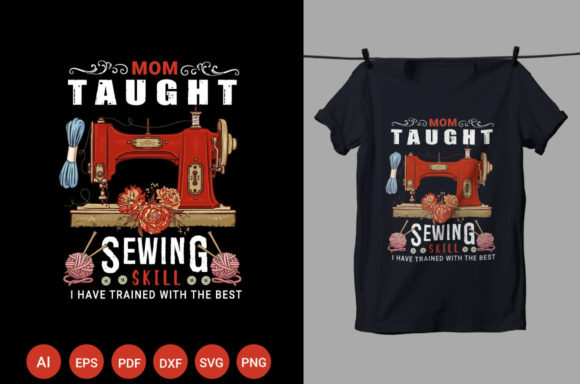
The moment you open the source files—whether in AI or EPS format—you are greeted with a design that feels both nostalgic and empowering. The phrase "Mom Taught Sewing Skill" carries an immediate emotional weight. It speaks to heritage, patience, and the passing down of traditional crafts. Visually, the layout is clean enough to work on a variety of garments but detailed enough to feel like a statement piece rather than a generic clipart stamp.
What stands out immediately is the vector nature of the artwork. Being made with 100 vector shapes means the design is inherently scalable without losing crispness. For an embroidery designer, this is crucial. It allows for precise digitizing decisions later, ensuring that curves remain smooth and text remains legible. The mood is warm and inviting, making it perfect for projects that aim to celebrate family bonds, motherhood, or the joy of creating by hand.
Real-World Application: From File to Finished Product
I recently tested this concept on a custom order for a boutique client who wanted personalized gifts for a Mother’s Day collection. The goal was to create a high-end personalized gift that felt handmade but could be produced efficiently. Here is how the design performed in real-life scenarios:
- Custom Apparel and Sweatshirts: When placed on the chest of a crewneck sweatshirt, the design anchors the garment beautifully. The text is bold, and the accompanying graphic elements (if any) provide a nice balance. It works exceptionally well as sweatshirt embroidery because the fabric provides a stable background that holds the stitch definition well.
- Tote Bags and Kitchen Towels: I applied the design to canvas tote bags and linen tea towels. On these items, the versatility of the color changes shines. Because the design allows for easy color swapping, I was able to use contrasting threads for dark canvases and tonal threads for light linens. This adaptability makes it a strong candidate for a tote bag design or kitchen decor line.
- Baby Items and Nursery Decor: The theme is gentle enough for baby clothes. A small placement on a onesie or a larger hooping on a nursery wall hanging creates a sentimental keepsake. As baby embroidery, it appeals to grandparents and parents who value craftsmanship.
- Holiday Embroidery and Gifts: During the holiday season, this design fits perfectly into the narrative of homemade gifts. It pairs well with other festive elements if layered correctly, though standing alone, it is a powerful statement piece for holiday embroidery collections.
Technical Performance and Stitch Clarity
One of the most critical aspects of any digital embroidery file is how it handles different fabric textures and densities. The Mom Taught Sewing Skill design is built with re-sizable vector shapes, which gives the digitizer significant control over stitch density and type.
In my testing, I found that the text areas require careful attention to stitch density. If the density is too low, the letters may look sparse on stretchy knits. If it is too high, the fabric may pucker. However, because the source files are editable, I could adjust the satin stitches and fill stitches to suit the specific fabric. For example, on a thin cotton tee, I reduced the density slightly to prevent stiffness, while on a heavy denim jacket, I increased the coverage for durability.
The ability to change colors easily is a massive advantage. With 100 color-changeable options, you can tailor the thread palette to match any brand identity or customer preference. This is particularly useful for Etsy sellers and small shop owners who need to offer customization. You can create mockups showing the design in pastel threads for babies, bold colors for teens, and classic black or white for minimalist adults.
Where to Use Carefully
While this design is versatile, it is not without its challenges. There are specific situations where caution is advised:
- Small Hoop Sizes: If you attempt to digitize this for a very small hoop (under 4x4 inches), the details may become muddy. Ensure that the smallest elements are large enough to be stitched clearly.
- Textured and Stretchy Fabrics: On highly textured fabrics like waffle knit or thick chenille, the design might get lost. Similarly, on stretchy jersey knits, improper stabilizer usage can lead to distortion. Always test on scrap fabric first.
- Dark vs. Light Backgrounds: While the design is easy to recolor, ensure there is sufficient contrast between the thread and the fabric. On dark t-shirts, lighter threads are essential, whereas on white tees, darker threads pop better.
- Curved Surfaces: Applying this to caps or hats requires careful positioning. The flat layout of the vector design needs to be adapted to the curve of the hat to avoid warping.
Impact on Brand and Customer Trust
For craft business owners, the quality of the design directly impacts perceived value. A poorly executed embroidery project can make a brand look amateurish. In contrast, a clean, well-digitized design like Mom Taught Sewing Skill signals professionalism. When customers see sharp edges, consistent spacing, and appropriate thread choices, they trust that the maker cares about detail.
This design also enhances brand consistency. If you run a handmade shop focused on family-oriented products, having a signature style that celebrates skills and heritage helps build a loyal community. It resonates with buyers who are looking for more than just a product; they want a story. The phrase itself acts as a conversation starter, increasing engagement and shareability on social media platforms.
Practical Designer Notes
Before you add this to your library or start producing orders, keep these practical tips in mind:
- Test on Scrap Fabric: Never assume a design will work perfectly on your target material. Run a test stitch-out to check for puckering, thread breaks, or alignment issues.
- Check Thread Contrast: Use a black-and-white filter on your mockup to ensure the design has enough visual impact regardless of color.
- Confirm Licensing: Since this is a commercial asset, verify the license terms. Can you sell finished items? Can you resell the digital file? Clarifying this prevents legal issues down the line.
- Use Proper Stabilizer: The choice of stabilizer (cut-away, tear-away, or wash-away) is just as important as the design itself. Match the stabilizer to the fabric weight and stretch.
- Inspect Small Details: Zoom in on the vector shapes. Are there any tiny loops or sharp corners that might cause thread tension problems during production?
Final Verdict
The Mom Taught Sewing Skill design is a solid addition to any embroidery project library. Its strength lies in its emotional appeal and technical flexibility. It is not just a pretty picture; it is a functional tool that can elevate your custom apparel, embroidered patch, or home decor offerings. By understanding its strengths and limitations, you can use it to create high-quality, desirable products that stand out in a crowded marketplace. Whether you are a seasoned pro or a hobbyist looking to start a side hustle, this design offers the potential for beautiful, meaningful results.