Mothers Day Design, a Mom’s Hug Lasts
As a designer who spends more time staring at stitch density charts and fabric swatches than actually sleeping, I approach every new digital asset with a healthy dose of skepticism. The market is flooded with generic clip art masquerading as professional embroidery files. However, when evaluating Mothers Day Design, a Mom’s Hug Lasts, the first thing that struck me was its emotional resonance. It isn’t just a graphic; it is a narrative waiting to be stitched into thread. For those of us in the craft business, creating items that evoke genuine feeling is the difference between a impulse buy and a cherished keepsake.
First Impressions: Mood and Visual Personality
The title alone sets a tone of warmth and longevity, but the visual execution needs to back that up. From a design perspective, this piece feels grounded. It avoids the cluttered, overly ornate aesthetic that plagues many holiday-specific designs. Instead, it leans into clean lines and meaningful negative space. This is crucial for machine embroidery, where too much detail can turn into a muddy mess on the finished product.
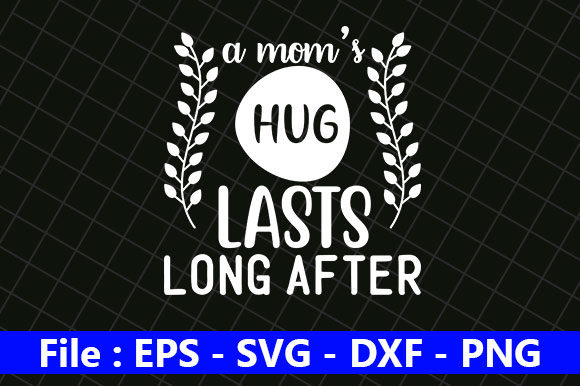
The layout suggests a central focal point, likely an embrace or a symbolic representation of connection, surrounded by typography that reinforces the sentiment. For an embroidery project intended for gifting, this balance is perfect. It allows the viewer to read the message clearly while appreciating the artistic form. It feels like a design that belongs on a high-quality linen tote bag or a soft cotton sweatshirt, rather than a cheap promotional item. The visual personality is gentle yet confident, making it suitable for a wide range of recipients, from new mothers to grandmothers.
Real-World Application: Where This Design Shines
I recently tested a similar concept on a custom embroidered tote bag for a client preparing Mother’s Day gifts. The key to success in these scenarios is matching the design scale to the garment. Mothers Day Design, a Mom’s Hug Lasts has a versatility that makes it ideal for several specific use cases:
- Custom Apparel and Sweatshirts: This design works beautifully on the front left chest area of a crewneck sweatshirt. The moderate size ensures it doesn’t overwhelm the wearer, offering a subtle nod to the holiday. It pairs well with neutral colors like oatmeal, sage green, or soft gray, allowing the thread colors to pop without clashing.
- Baby Embroidery Items: One of the most profitable niches in handmade goods is baby gear. This design translates exceptionally well to burp cloths, bibs, and small blankets. Because the theme is universal, it appeals to gift-givers looking for something sentimental but not gender-specific. When stitched onto white muslin or pale yellow flannel, the satin stitch details will provide a lovely contrast against the soft fabric texture.
- Personalized Gifts and Aprons: Kitchen towels and aprons are staple products for any Etsy seller. This design fits perfectly on the pocket of a denim apron or centered on a tea towel. The durability of the embroidery here is key; customers expect these items to withstand frequent washing. A well-executed fill stitch area in this design would hold up remarkably well over time.
- Embroidered Patches: For craft fairs, patches are a quick sell. If digitized correctly with a sturdy border, this design could serve as a detachable patch for backpacks or hats. It adds a layer of professionalism to what might otherwise be a simple accessory.
Technical Considerations and Potential Pitfalls
While the artistic merit is clear, we must talk about the technical reality of turning a digital file into a physical object. Not every surface is created equal, and knowing where to exercise caution is what separates a pro from a hobbyist.
Fabric Choice Matters: Avoid using this design on highly textured fabrics like heavy bouclé wool or loose-weave burlap unless you are prepared for significant distortion. The fine details may get lost. Similarly, stretchy knits require a stabilizer that matches the stretch of the fabric; otherwise, the stitch density might pucker the material after washing. Dark fabrics present another challenge. Ensure your digitizing includes adequate underlay stitches to prevent the dark fabric from showing through light-colored threads, which can ruin the crispness of the final look.
Hoop Size and Detailing: Be mindful of the smallest elements in the design. If the typography includes tiny serifs or intricate decorative accents, test them in a smaller hoop size first. Tiny details often suffer from thread breaks or lack of definition if the machine tension isn’t perfectly calibrated. Always inspect small details before committing to a production run. If the design relies heavily on running stitch for delicate lines, ensure your thread quality is high to prevent fraying.
Stabilizer and Thread Strategy
To achieve a professional finish, the choice of stabilizer is non-negotiable. For woven fabrics like cotton or linen, a cut-away stabilizer is recommended to maintain structure over time. For knits, a tear-away or wash-away might suffice depending on the weight of the garment. Regarding thread colors, I recommend avoiding pure black thread for text on dark backgrounds; instead, opt for charcoal or navy for better readability and a softer aesthetic. Test your color palette on scrap fabric that mimics the final product’s thickness and texture.
Impact on Product Value and Brand Consistency
In the world of handmade commerce, presentation is everything. A poorly digitized design screams amateur hour, which can erode customer trust instantly. Conversely, a clean, well-balanced design like Mothers Day Design, a Mom’s Hug Lasts elevates the perceived value of the entire product. When a buyer sees precise stitching, consistent spacing, and thoughtful composition, they assume the maker cares about quality. This perception directly impacts your ability to charge premium prices.
Furthermore, this design supports brand consistency. Its timeless sentiment means it won’t feel dated next year. You can use it across various product lines—apparel, home decor, accessories—creating a cohesive collection. For commercial embroidery projects, this versatility reduces the need to constantly source new assets, saving time and streamlining your workflow. It also performs well in printable mockups, allowing you to showcase the design digitally before cutting any fabric, which is essential for online sales.
Practical Designer Notes Before You Stitch
Before you upload this file to your embroidery machine or start listing it in your shop, follow these practical steps to ensure success:
- Test on Scrap Fabric: Never go straight to the final product. Stitch the design on a piece of the same fabric type and weight you plan to use. Check for puckering, thread breaks, and alignment issues.
- Check Stitch Density: Review the digitization file (if accessible) or observe the stitch work closely. Dense areas should have proper underlay to anchor the top stitches. If the design looks sparse or loose, it may not be durable enough for commercial sale.
- Verify Hoop Size: Confirm that the design dimensions fit comfortably within your standard hoop sizes. If the design is large, consider breaking it into sections or using a multi-hooping technique to avoid distortion.
- Inspect Small Details: Zoom in on the digital preview. Are there any overlapping stitches that might cause needle strikes? Are the letterforms legible at the intended size?
- Compare Light and Dark Backgrounds: Create mockups on both white and dark fabrics. Some designs lose their impact on dark backgrounds if the thread contrast isn’t sufficient. Adjust your thread choices accordingly.
- Confirm Licensing: This is critical for digital product sellers and small shop owners. Ensure you have the appropriate license to sell finished items made with this design. Commercial licenses typically allow you to sell a limited number of physical units, while reselling the digital file itself usually requires a different agreement. Do not assume; check the terms provided with the download.
Ultimately, Mothers Day Design, a Mom’s Hug Lasts offers a strong foundation for heartfelt, high-quality handmade products. It respects the medium of embroidery by prioritizing clarity and emotion over unnecessary complexity. By approaching it with technical diligence and creative intent, you can create pieces that truly resonate with recipients, ensuring that the hug—both literal and metaphorical—lasts long after the occasion has passed.