Zombie Mom Halloween Sublimation Design Review
As a designer who spends more time than I care to admit staring at stitch lines and debating thread colors, I don’t just buy digital files—I evaluate them. When Zombie Mom Halloween Sublimation Design landed on my desk, I didn’t immediately think about slapping it on a shirt. I thought about the end product. I thought about the customer holding a tote bag at a craft fair, or a parent handing a personalized gift to a friend with a sense of humor. This review is not about the pixel count; it is about whether this design holds up when translated from a screen into a tangible, stitched reality.
The First Impression: Mood and Visual Personality
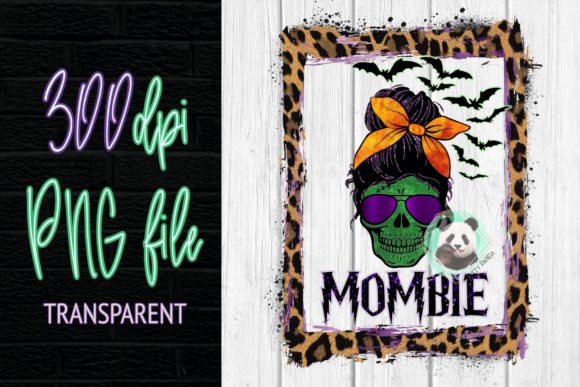
The moment you open the file, the theme is unmistakable. It captures that specific intersection of spooky and relatable that defines modern Halloween aesthetics. The "Zombie Mom" concept works because it taps into a universal feeling—the exhaustion of parenthood—wrapped in a festive, slightly macabre package. From a design perspective, the composition feels balanced. It isn’t cluttered with unnecessary elements that might get lost in embroidery thread.
What stands out is the visual personality. It’s playful rather than terrifying. This is crucial for commercial success. If the design were too gruesome, it would limit your market to niche horror fans. By keeping it light-hearted and character-driven, it appeals to a broader audience, including those who want holiday spirit without the gore. The layout suggests a central focal point, which is ideal for chest placements on apparel or center placements on home goods. It feels like a design that belongs in a boutique shop window, not just a discount bin.
Real-World Application: Where This Design Shines
In my experience, the best embroidery project ideas come from matching the design’s vibe to the right substrate. For Zombie Mom Halloween Sublimation Design, I see immediate potential in several key categories.
- Custom Apparel: This is the most obvious choice. A black or dark heather sweatshirt provides the perfect high-contrast background for the design. Imagine this embroidered on the front left chest of a cozy pullover. It becomes an instant conversation starter at any Halloween party. The design’s scale seems well-proportioned for standard hoodie sizes, ensuring it doesn’t look tiny and insignificant nor overwhelmingly large.
- Tote Bag Designs: Canvas totes are a staple for the Etsy seller community. Placing this design on a sturdy canvas tote creates a fun, functional accessory. The transparent background of the source PNG allows for easy mockup creation, helping you visualize how the final finished product will look before you even cut the fabric.
- Baby Embroidery: There is a growing market for humorous baby gifts. While "zombie" might sound intense, the stylized nature of this design makes it suitable for a onesie or a burp cloth. It’s a perfect gift for parents who appreciate dark humor. However, placement is key here; a small pocket area or the cuff of a onesie keeps it subtle and appropriate.
- Kitchen and Home Goods: Do not overlook tea towels and aprons. A kitchen towel featuring this design adds a touch of seasonal flair to a home that loves Halloween. The rectangular shape of many towels complements the likely vertical or square orientation of the graphic, creating a harmonious look.
Technical Considerations for Embroidery Conversion
Here is where we move from artist to technician. You have a high-resolution PNG (2250 x 3000 pixels), but embroidery machines do not read pixels; they read stitches. Converting a raster image to a vector-based machine embroidery design requires careful digitizing decisions.
Stitch Density and Clarity: One of the biggest risks in converting detailed graphics is losing definition. If the original artwork has fine lines or intricate shading, these can become muddy blobs if the stitch density is too high or the underlay is incorrect. I recommend testing the digitized version on scrap fabric first. Look closely at the eyes and any text elements. Are they crisp? Does the satin stitch around the edges lay flat, or does it pucker?
Fabric Texture and Stabilizer: The choice of fabric drastically changes the outcome. On a smooth cotton tee, the design will pop. On a textured fleece or a stretchy jersey knit, you need to be cautious. Stretchy fabrics require a strong stabilizer to prevent shifting during the run. If you are working with thin fabric, ensure the backing is sufficient to support the weight of the threads without showing through to the front.
Thread Colors: The color palette matters immensely. Since the source is a PNG, you will need to map the colors to your available thread spools. High contrast is your friend. Dark backgrounds generally make lighter thread colors stand out better, but vibrant threads can work well on mid-tone fabrics. Avoid using low-contrast combinations, such as gray thread on a gray shirt, as the details will disappear.
Where to Use Caution
Not every surface is a good candidate for this design. Be wary of placing complex graphics on curved surfaces like baseball caps unless the digitizing includes proper curve compensation. Small hoop sizes can also be problematic if the design has delicate corners that might get cut off or distorted. Additionally, if you plan to wash these items frequently, ensure the stitching is secure. Loose threads can snag, especially on items like tote bags that undergo rough handling.
Impact on Brand and Customer Trust
For the craft business owner, presentation is everything. A well-executed handmade product signals professionalism. When a customer sees a clean, precise embroidery job, they trust the quality of the item. Conversely, a poorly digitized design with loose threads or misaligned elements can damage your reputation instantly.
This design has strong brand consistency potential. It fits neatly into a Halloween-themed collection alongside other spooky-but-cute designs. It enhances buyer engagement because it evokes an emotional response—laughter or recognition. In the world of personalized gifts, humor sells. Customers are more likely to share photos of their purchases on social media if the design is funny and visually appealing, providing you with free marketing.
Practical Designer Notes for Success
Before you rush to produce inventory, follow these practical steps to ensure quality:
- Test on Scrap Fabric: Never go straight to the final product. Stitch the design on a piece of the same fabric you intend to use. This reveals issues with tension, puckering, or color mismatch.
- Check Black and White Mockups: Convert your digital preview to grayscale. This helps you assess the contrast levels and ensures the design remains legible regardless of color choices.
- Inspect Small Details: Zoom in on the digitized file. Are there any tiny floating stitches that could cause threading issues? Are the running stitch areas long enough to be stable?
- Confirm Licensing: As a digital product seller or commercial embroidery practitioner, you must verify the license terms. Ensure you have the right to sell finished items made from this design. Some licenses restrict commercial use or limit the number of units sold.
- Create Printable Mockups: Use the high-resolution PNG to create realistic mockups for your online store. Show the design on different products to help customers visualize the final product.
In conclusion, Zombie Mom Halloween Sublimation Design is a strong contender for the Halloween season. It balances thematic appeal with practical design principles. With careful digitizing, appropriate fabric selection, and attention to detail, it can become a standout item in your small shop product lineup. It is not just a graphic; it is a tool for creating memorable, wearable art that resonates with your audience.